Getting trousers to fit properly is a common challenge for many UK families, especially when children grow quickly or clothing sizes vary between brands. Small adjustments at home can often solve these issues without needing specialist intervention.
This guide explains practical trouser alteration steps in a simple, beginner-friendly way. It reflects the type of everyday support shared in Stitch In Time’s general clothing and tailoring guidance, including topics like home tailoring advice, clothing repair basics, and alteration support for beginners.
The aim is to help you understand how to achieve a comfortable fit using safe and practical methods.
Step-by-Step Trouser Alteration Process
This section breaks down simple trouser alteration steps in a structured way, similar to the beginner-friendly resources found in Stitch In Time Dry Cleaning guides.
Step 1 – Measuring your body and existing trousers
Accurate measuring is essential. Always measure while standing naturally. This step is often included in measurement and fitting basics.
Step 2 – Marking the adjustment points
Use chalk to mark where changes are needed. Clear marking helps avoid mistakes and is covered in fabric marking techniques.
Step 3 – Pinning for temporary fit check
Pin the fabric and test fit before cutting. This is a key safety step mentioned in safe sewing practices.
Step 4 – Cutting excess fabric carefully
Only cut after confirming fit. Guidance like fabric cutting tips for beginners helps avoid common errors.
Step 5 – Stitching the new seam
Sew along the marked line using steady stitches. This connects with the basic hand stitching guide and the machine sewing introduction.
Step 6 – Final fitting and adjustments
Try the trousers again and make final refinements. This stage is often part of the final garment finishing tips.
Understanding Trouser Alteration Basics
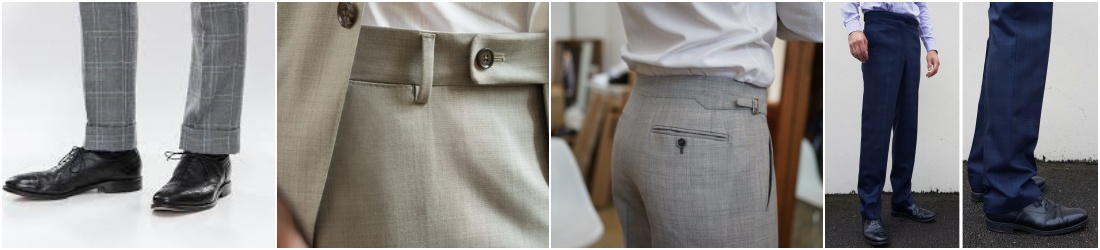
Trouser alteration simply means adjusting clothing so it fits better. This can involve length correction, waist adjustment, or fixing uneven hems. Many people first explore this through resources such as Stitch In Time sewing guidance or their general fabric care and repair tips.
Why proper fit matters in everyday clothing
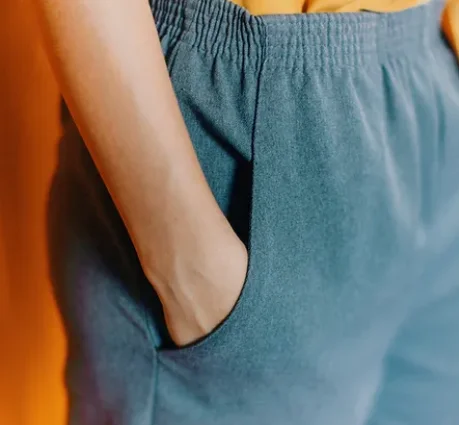
Well-fitting trousers improve comfort and movement, especially for school uniforms and daily wear. Poor fit can lead to discomfort or frequent replacement of clothing.
For families, this often connects with practical needs like school uniform alterations and children’s clothing adjustments.
Common fit issues in trousers
Typical problems include:
- Trousers being too long
- Waistbands feeling loose or tight
- Uneven hems after washing
These are often solved through simple adjustments explained in basic alteration support and DIY clothing repair help.
Tools you need before starting the alteration
Basic tools include measuring tape, pins, scissors, chalk, and thread. These are often referenced in beginner sewing kits and home stitching essentials.
Waist and Length Adjustment Techniques
How to reduce waist size without distortion
Waist adjustments should be done evenly through seams. This is commonly explained in waist adjustment methods.
Shortening trousers for a clean finish
Fold, pin, and stitch the hem carefully. Many families use this method through DIY trouser hemming guide.
Fixing uneven hemlines
Measure both legs separately before correcting. This is part of symmetry in clothing repair.
Common Mistakes to Avoid in Trouser Alteration
Overcutting fabric
Cutting too early is one of the most common beginner errors. It is often highlighted in safe alteration practices.
Ignoring fabric type and stretch
Different materials behave differently, especially denim and cotton. This is covered in the fabric behaviour guide.
Incorrect measurement techniques
Always measure in a natural standing position. See also accurate clothing measurement tips.
DIY vs Professional Alteration – What’s Better?
When DIY alteration works best
DIY is suitable for simple tasks like hemming or minor waist adjustments. This is often explained in home clothing repair guidance.
When to visit a professional tailor
Complex garments or expensive fabrics should be handled professionally. You can learn more through professional tailoring advice.
Cost and time comparison
DIY is usually faster and cost-effective, while professional services offer precision for advanced alterations.
Tips for Achieving a Perfect Pants Fitting Guide Result
Choosing the right tools and fabric handling methods
Good tools and careful handling improve results significantly. See sewing tools overview.
Maintaining symmetry in both legs
Always measure each leg separately to ensure balance. This connects with the balanced garment fitting guide.
Checking fit while sitting and moving
Trousers should feel comfortable in real movement, not just standing posture.
Final Thoughts
Simple clothing adjustments can make everyday life easier, especially for families managing growing children or regular wardrobe updates. With patience and careful measurement, basic trouser alteration steps can be followed safely at home.
For many users, resources like Stitch In Time’s general guidance on beginner sewing help and practical clothing repair advice can make the process feel more manageable and less intimidating.
The key is to take your time, work step by step, and focus on comfort rather than perfection.
Frequently Asked Questions
What are the basic trouser alteration steps for beginners?
Start by measuring the trousers, then mark the changes, pin the fabric, stitch carefully, and finish with a final fit check. Always try them on before making permanent cuts.
Can I alter trousers without a sewing machine?
Yes, you can. Hand stitching works well for small jobs like hemming or minor waist adjustments and is commonly used by beginners.
How do I fix the trouser length at home easily?
Simply fold the hem to the required length, secure it with pins, and stitch evenly for a neat and clean finish.
Can I adjust my child’s trousers without a tailor?
Yes, many parents in the UK do small school uniform adjustments at home using basic tools, especially for growing children.
What is the easiest way to alter pants for a perfect fit?
Start with simple changes like shortening the length or basic hemming before moving on to more complex adjustments.
How do I avoid mistakes in trouser hemming?
Always measure carefully, double-check both legs for equal length, and pin everything in place before cutting any fabric.