If you’ve ever wondered why some outfits just sit perfectly, the answer often lies in bespoke tailoring. In simple terms, bespoke means clothing made entirely from scratch for you. It involves a personalized style consultation, precise measurements, and a unique pattern created just for your body.
If you’re new to tailoring, it helps first to understand how professionals approach fit and adjustments. For example, this guide on understanding common clothing alterations explains how tailors refine garments for better results.
In the UK, bespoke tailoring has deep roots, especially in London’s Savile Row. According to the UK Fashion and Textile Association, craftsmanship remains central to British fashion.
Now, let’s break down how bespoke compares to other options people often confuse it with.
How Bespoke Tailoring Enhances Fit and Personal Style
Here’s the truth: most people wear clothes that almost fit. Bespoke changes that completely. It considers posture, shoulder slope, and even how you stand or move. The result is clothing that fits perfectly and feels natural from the first wear.
If you want to see how real tailoring transforms garments, you can explore this detailed guide on tailoring for the perfect fit, which explains how small adjustments make a noticeable difference.
Moreover, bespoke tailoring allows clothes to be designed around your personal style. This is where custom clothing benefits really stand out.
Key Custom Clothing Benefits You Should Know
One of the biggest advantages of tailored clothing is comfort. Garments tailored to your exact measurements remove tight spots and awkward pulling. This improves daily wear, especially for business or formal outfits.
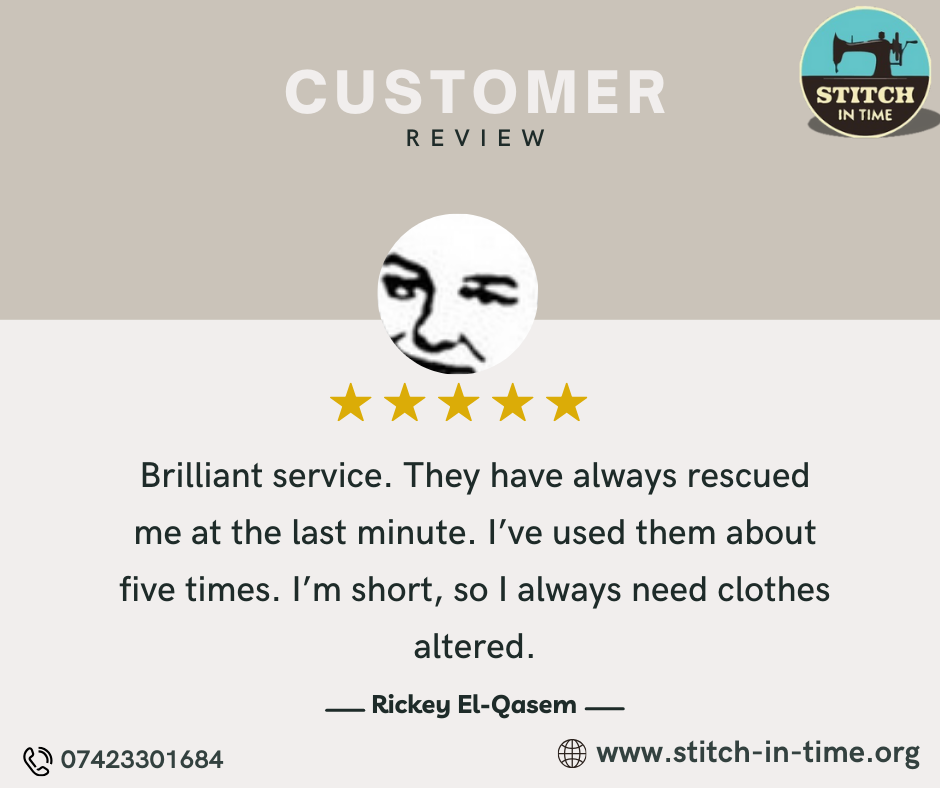
Many UK customers also value long-term durability. For instance, real experiences shared in customer tailoring reviews show how properly tailored garments last longer than fast fashion alternatives.
Another benefit is sustainability. According to WRAP UK, extending clothing life reduces environmental impact.
Now that you know the benefits, let’s walk through how bespoke garments are actually made.
The Bespoke Tailoring Process: Step-by-Step Explained
At first glance, bespoke tailoring may seem complicated. However, once you understand the steps, it becomes much easier to follow.
Initial Consultation and Fabric Selection
This stage includes discussing your needs and selecting fabrics. If you’re unsure what to expect, this helpful resource on tailoring visits and opening hours can guide you before your first appointment.
Measurement and Pattern Creation
Tailors take precise measurements to create a unique pattern. This ensures a tailored fit rather than a standard size approach.
If you’re curious about timelines, you can also check how long clothing alterations take to better understand the process duration.
Fittings and Adjustments
Multiple fittings ensure the garment fits perfectly. Adjustments are made based on real movement and posture.
Final Delivery and Finishing Touches
The final step includes stitching details, finishing quality, and personal touches. This is where craftsmanship truly shows.
Now that the process is clear, let’s compare bespoke with other clothing options.
Bespoke vs Ready-to-Wear vs Made-to-Measure: What’s the Difference?
Choosing between these options depends on your needs.
Feature | Bespoke | Made-to-Measure | Ready-to-Wear |
Fit | Fully custom | Semi-custom | Standard sizes |
Pattern | Created from scratch | Adjusted template | Pre-made |
Personalisation | Extensive | Moderate | Minimal |
Longevity | High | Medium | Low |
If you want a deeper understanding of modern tailoring approaches, this article on modern tailoring trends offers useful insights.
When Should You Choose Bespoke Clothing?
Bespoke tailoring is ideal for special occasions, professional wear, or when standard sizes do not fit well.
For example, someone preparing for a wedding may explore custom tailoring after reading practical insights in tailoring service experiences to understand real outcomes.
It’s also useful for everyday wear if you value comfort and long-lasting garments.
Common Myths About Bespoke Tailoring Debunked
Many people assume bespoke tailoring is only for luxury clients. However, more accessible services are now available across the UK.
Another common myth is that tailoring takes too long. In reality, timelines are often explained clearly in resources like tailoring process guides, which help set expectations.
Understanding these myths makes it easier to decide if bespoke is right for you.
Tips for Getting the Most Out of Your Bespoke Tailoring Experience
Choosing the right tailor is essential. Look for experience, communication, and attention to detail.
Before visiting, reading guides like what customers say about tailoring services can help you ask better questions.
Also, consider planning multiple outfits instead of just one. This approach helps build a complete wardrobe rather than a single piece.
Is Bespoke Tailoring Worth It? A Realistic Perspective
So, is it worth it? If you value quality and long-term use, the answer is often yes.
This bespoke tailoring guide shows that bespoke is not just about luxury. It’s about comfort, confidence, and durability. The custom clothing benefits make it a practical investment for many UK consumers.
FAQs About Bespoke Tailoring Guide
What is the difference between bespoke and made-to-measure?
Bespoke tailoring is fully custom and built from scratch based on your exact measurements, posture, and style preferences. Made-to-measure uses an existing base pattern that is adjusted to better fit your body shape and size.
How much does bespoke tailoring cost in the UK?
In the UK, bespoke tailoring usually starts from around £800 and can increase significantly depending on fabric quality and craftsmanship. Premium tailoring houses may charge several thousand pounds for highly detailed garments.
How long does bespoke tailoring take?
The process typically takes between 4 and 8 weeks from consultation to final fitting and delivery. This timeframe can vary depending on the complexity of the design and the number of adjustments required.
Can bespoke clothing be altered later?
Yes, most bespoke garments can be altered later if your body shape changes slightly or if you want minor style adjustments. However, major redesigns are usually limited due to the custom-made structure.
Is bespoke tailoring only for suits?
No, bespoke tailoring is not limited to suits as it also includes shirts, trousers, coats, and even casual wear. Many people now choose bespoke clothing for everyday comfort and long-term style.